



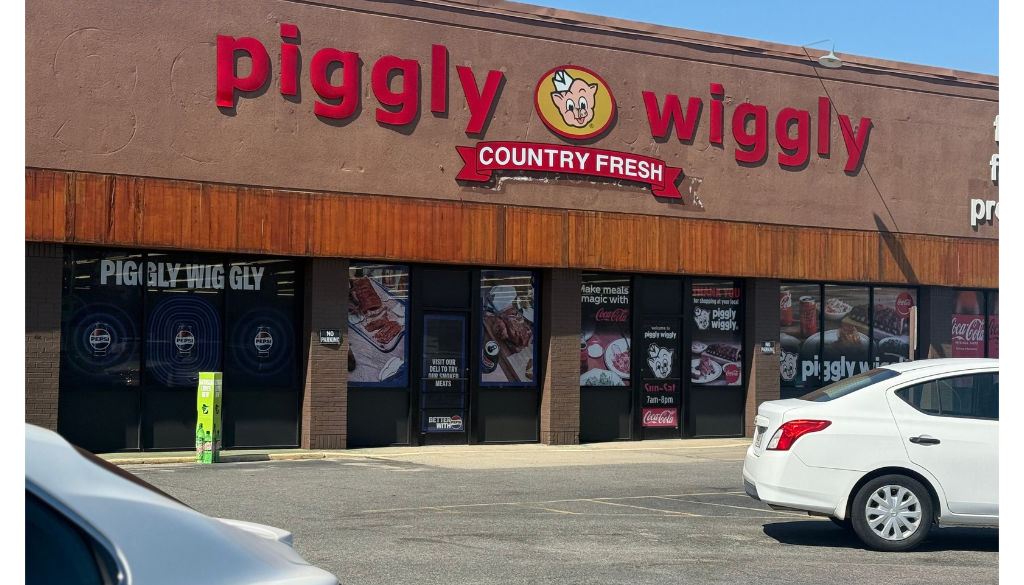
Reynolds IGA Foodliner, Inc., the company that operates the Piggly Wiggly store in Hazlehurst, has agreed to pay $65,000 to settle a federal religious discrimination lawsuit involving a former employee who requested Sundays off to observe her Sabbath.

The lawsuit was filed by the U.S. Equal Employment Opportunity Commission (EEOC) in June. According to the agency, the employee worked as a deli clerk at the Hazlehurst Piggly Wiggly and is a member of The Church of Jesus Christ of Latter-day Saints.
The EEOC alleged that shortly after being hired, the employee requested Sundays off so she could observe her weekly Sabbath. According to the lawsuit, her supervisor denied the request, saying that allowing her to have Sundays off would mean the store would have to give the same accommodation to other employees. The EEOC said the employee continued requesting the religious accommodation and was ultimately fired in January 2025.

The agency filed suit against Reynolds IGA Foodliner in the U.S. District Court for the Southern District of Georgia, Brunswick Division, alleging violations of Title VII of the Civil Rights Act of 1964. The case was filed as EEOC v. Reynolds IGA Foodliner, Inc., Case No. 2:26-cv-00060.
Title VII prohibits religious discrimination in employment and generally requires employers to reasonably accommodate an employee’s sincerely held religious beliefs or practices unless doing so would cause an undue hardship for the business.
Reynolds IGA Foodliner has now agreed to resolve the lawsuit through a two-year settlement agreement. In addition to paying the former employee $65,000, the company will be required to update its procedures for handling religious accommodation requests and provide training to managers, supervisors and human resources employees.
The company will also be required to post a workplace notice concerning employees’ rights and report future religious accommodation requests and religious discrimination complaints to the EEOC, along with how those matters were handled.
“Employers cannot deny religious accommodation requests simply for fear of upsetting other employees,” Marcus G. Keegan, regional attorney for the EEOC’s Atlanta District, said in announcing the settlement.
EEOC Atlanta District Director Darrell E. Graham added that employers are required to consider religious accommodation requests individually and on a case-by-case basis. The settlement resolves the federal lawsuit without the case proceeding to trial.
