










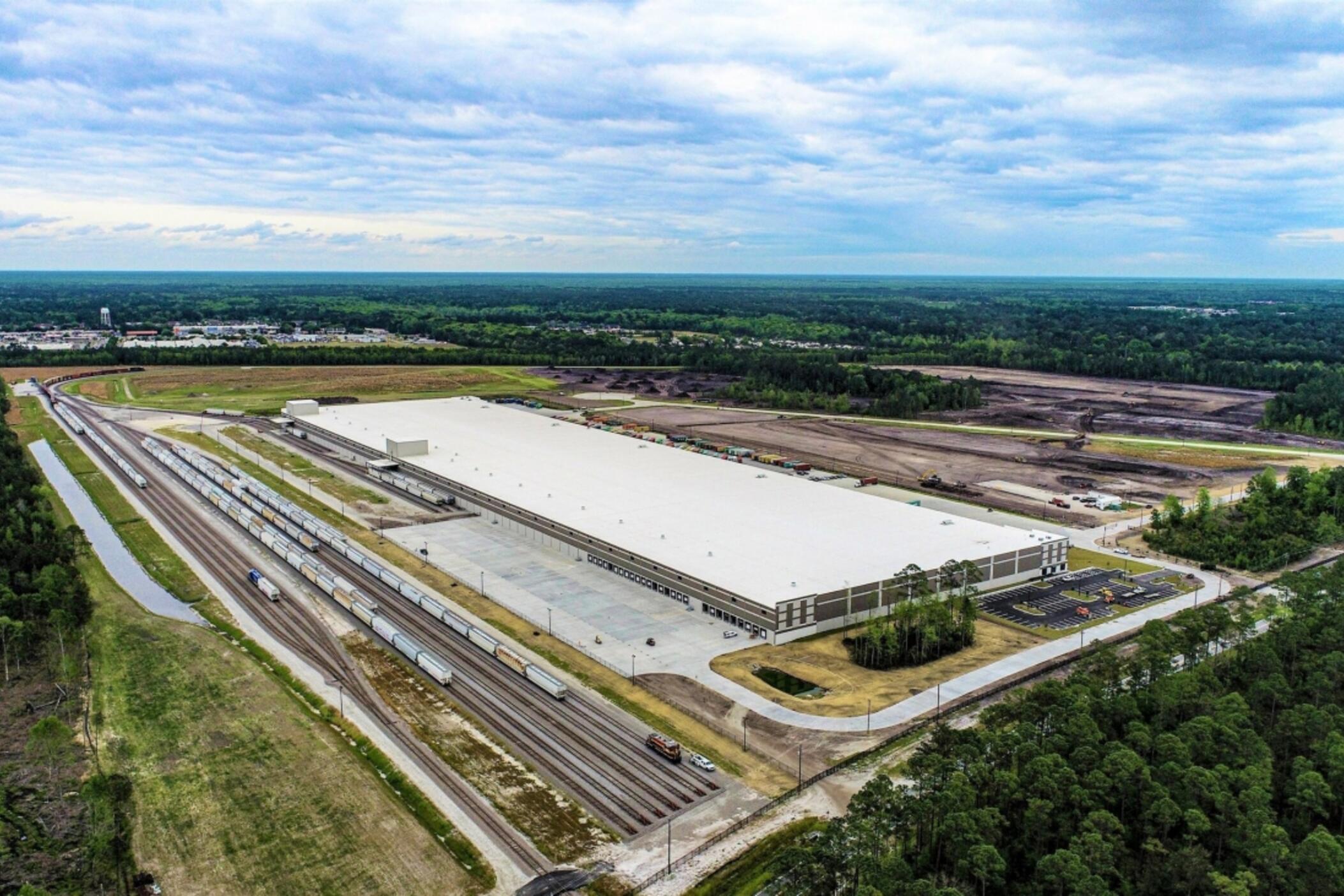
EFFINGHAM COUNTY, Ga. — The debate surrounding data centers in Georgia has moved into the courtroom, with three Effingham County residents suing their county government over the process used to change zoning rules related to the massive developments. The lawsuit, filed Sept. 2 in Effingham County Superior Court, challenges a county ordinance that expanded provisions for data centers on industrially zoned property.


At the heart of the case is a question that communities across Georgia are increasingly confronting as data center development expands: How much opportunity should the public have to participate before decisions are made?
The lawsuit was filed by Dr. Michelle Finch-Mincey, Lehman Mincey Jr. and Raymond Carver against Effingham County. The are challenging how zoning changes were approved. Their complaint challenges Ordinance 2026-352, which Effingham County commissioners approved Aug. 4. The ordinance amended the county’s permitted-use regulations involving data centers on industrial property. The residents allege county officials failed to follow required procedures before approving the changes.


Specifically, the plaintiffs contend that public hearings should have been held before both the county Planning Board and Board of Commissioners. They argue that the zoning change was approved without providing the public those opportunities. Those claims are allegations contained in the lawsuit and have not been decided by a court.
The controversy comes as Effingham County prepares for a massive data center development known as Project Camellia, associated with OpenAI. The proposed development has been described as an approximately $20 billion project encompassing roughly 1,400 acres. The property involved was already zoned industrial. However, the residents’ lawsuit challenges changes to the county’s rules governing data centers as an industrial use and the process through which those changes were adopted. The lawsuit does not simply argue that data centers should be prohibited. Instead, much of the challenge centers on whether county officials followed state and local requirements governing zoning decisions and public participation.
Transparency is another significant issue raised in the case. According to the lawsuit, Effingham County Manager Tim Callanan entered into a nondisclosure agreement with OpenAI OpCo LLC during discussions surrounding the project. The plaintiffs contend that private discussions and confidentiality surrounding the project prevented residents from knowing enough about the proposed development while important land-use decisions were being considered.
Nondisclosure agreements are commonly used during economic-development negotiations to protect confidential business information. The legal question raised by the Effingham residents, however, involves whether the county’s actions complied with requirements for public government and zoning decisions. Again, the filing represents the plaintiffs’ position. It does not establish that Effingham County or its officials violated the law.
The residents’ challenge also reaches beyond the ordinance approved in August. According to reporting on the court filing, the complaint questions earlier actions involving the county’s planning process and changes to its land-use regulations. One of those changes occurred in 2025, when Effingham County substantially expanded the number of definitions contained within its land-use regulations and added a specific definition for a “Data Center.”
The plaintiffs contend that portions of that process also failed to meet required procedures. The lawsuit additionally raises questions about whether the county’s general definition of a data center adequately addresses the size and infrastructure demands associated with a hyperscale artificial intelligence data center. Whether those arguments have legal merit will ultimately be for the court to determine.
The plaintiffs are asking the court to find that required zoning procedures were not followed and to invalidate Ordinance 2026-352. They are also seeking to prevent the county from relying on the ordinance unless proper procedures are followed and are requesting attorney’s fees associated with claims involving Georgia’s Open Meetings Act. Importantly, the lawsuit itself does not directly ask the court to stop construction of Project Camellia. Instead, it challenges the zoning framework and government process connected to allowing the development.
The lawsuit comes as communities across Georgia are weighing the potential economic benefits of large data centers against questions involving electricity demand, water use, infrastructure, land use and the long-term impact of these projects. But the Effingham County case adds another issue to that conversation: government transparency and public participation.
That makes the lawsuit particularly relevant as Jeff Davis County continues its own discussions about data centers. The circumstances in Effingham County are different, and the allegations made there should not be interpreted as applying to Jeff Davis County. However, the case provides a real-world example of why communities, developers and local governments are increasingly paying close attention not only to the potential benefits and drawbacks of data centers, but also to how decisions involving them are made. As of the latest reporting, the allegations remain before the court and no ruling has been made determining that Effingham County violated the law.
Hazlehurst Now will continue following data center developments across Georgia as Jeff Davis County considers the issue locally.


