



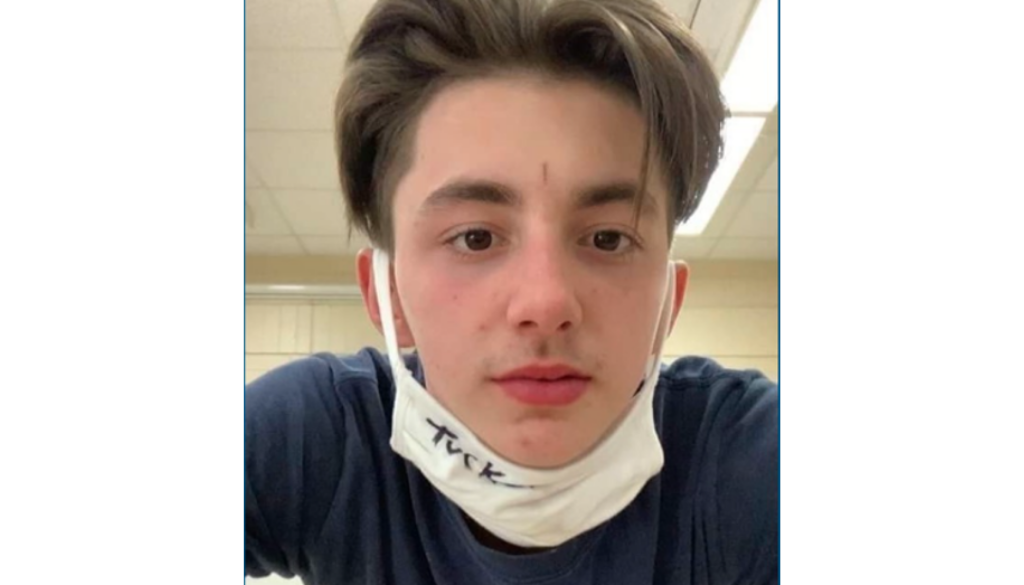
WAYCROSS, Ga. (October 24, 2026) — More than four years after a 17-year-old Douglas teenager died following an altercation at a state-run juvenile detention facility, the Georgia Department of Juvenile Justice has agreed to pay $4.5 million to settle a wrongful-death lawsuit filed by his parents.

Loyce Tucker, 17, died on August 11, 2022, two days after suffering a serious neck injury during what investigators described as a “fight game” at the Waycross Regional Youth Detention Center (RYDC).
The settlement was announced October 21 by the Savannah law firm Savage, Turner, Pinckney, Savage, Sprouse & Gilluly, which represented Tucker’s family. The agreement resolves the civil wrongful-death case, but a separate criminal prosecution involving a former juvenile correctional officer remains pending.

According to the family’s lawsuit, juvenile correctional officer Thomas Lee Hicks organized and encouraged a fight between Tucker and another juvenile at the detention center on August 9, 2022. The complaint alleges that Hicks unlocked a closet and allowed the two juveniles to fight inside, away from the facility’s security cameras. During the altercation, Tucker was struck forcefully in the neck, causing him to lose consciousness and collapse.
Rather than immediately seeking emergency medical assistance, the lawsuit alleges that Hicks and other juveniles carried Tucker into a shower, where the officer attempted to revive him by splashing water on his face and slapping him. According to the complaint, at least 10 minutes passed before another officer called 911.
Tucker was initially transported to a local hospital before being flown to Memorial Health University Medical Center in Savannah. He never regained consciousness and died two days later.
Medical findings cited in the lawsuit determined that Tucker suffered a vertebral artery dissection, a serious injury involving an artery in the neck, caused by trauma sustained during the fight.
Following an investigation by the Georgia Bureau of Investigation, Hicks was arrested on August 16, 2022. The GBI initially charged him with second-degree murder, two counts of second-degree cruelty to children, and violation of oath of office.
The Georgia Department of Juvenile Justice terminated Hicks’ employment following his arrest. At the time, then-DJJ Commissioner Tyrone Oliver condemned the officer’s actions and said they did not reflect the agency’s values.
The GBI also announced that a juvenile complaint for involuntary manslaughter had been secured against the other juvenile involved in the fight.
In July 2023, Hicks was indicted on additional felony charges, including allegations that he attempted to influence juvenile witnesses by encouraging them to provide false information about the incident.
According to reporting published October 21, 2026, Hicks’ criminal case remains pending, with his attorney challenging the indictment. The civil settlement does not determine criminal guilt, and Hicks is presumed innocent unless proven guilty in court.
The family’s lawsuit raised concerns extending beyond the incident that resulted in Tucker’s death. Attorneys alleged that Hicks and other correctional officers had previously arranged, encouraged, or permitted fights between juveniles at the Waycross facility.
According to the law firm’s announcement, some employees characterized these encounters as horseplay.
The lawsuit also alleged that the facility’s then-director, Jimmy Moore, was aware of the practice but failed to intervene.
The family maintained that detention center officials failed in their responsibility to protect Tucker and provide timely emergency medical care.
These allegations formed part of the civil lawsuit that has now been settled.
Tucker’s parents, Ashlie Muncey and Jonathan Tucker, filed the lawsuit in 2023 against Hicks, Moore, and the Georgia Department of Juvenile Justice. The legal action alleged failures in supervision, protection, and emergency medical response that contributed to Tucker’s death.
In announcing the $4.5 million settlement, the family’s attorneys emphasized that financial compensation could never replace the teenager’s life. “No amount of money is enough to replace the precious life of this young man,” the law firm stated.
The attorneys also expressed hope that the case would encourage accountability and changes in how juveniles are supervised and protected in state custody. The settlement represents a resolution of the family’s civil claims and should not be confused with a criminal conviction or jury verdict.
Although the wrongful-death lawsuit has reached a settlement, the criminal case against Hicks has not been resolved, according to the latest available reporting.
The case continues to raise questions about staff supervision, accountability, and the safety of juveniles housed in state detention facilities.
For Tucker’s family, the settlement marks a significant development in a case that began more than four years ago with the loss of their 17-year-old son.
Sources: Georgia Bureau of Investigation; Savage, Turner, Pinckney, Savage, Sprouse & Gilluly; WJCL; The Georgia Virtue.
