



With temperatures still making it feel very much like summer in South Georgia, fall gardening may be the last thing on your mind. But according to Jennifer Miller with the UGA Cooperative Extension Jeff Davis County office, now is the time for local gardeners to begin preparing and planting for the cooler growing season ahead.

The transition from a summer garden to a fall garden begins with preparing the soil. Miller recommends chopping up leftover summer plants and crop residue and incorporating that material into the soil. Gardeners may also want to add compost or fertilizer, depending on the needs of their soil.
For anyone who hasn’t had their garden soil tested within the past year, Miller says this is a good time to consider doing so. “If you have not pulled a soil sample in over a year it may be best to do this before planting,” Miller said. Soil testing is available through the local Extension office for $6 plus shipping, with results generally returning in about a week. The report provides information about the soil’s fertility along with specific fertilizer recommendations. UGA Extension’s Vegetable Gardening in Georgia publication also recommends soil testing to determine fertilizer and lime requirements rather than relying solely on general fertilizer recommendations.

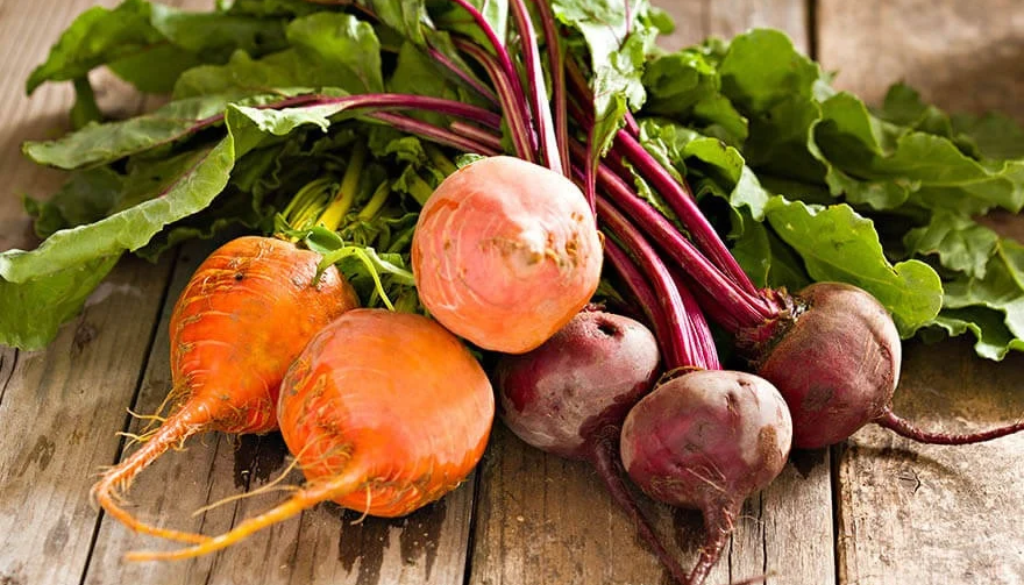
One of the challenges of fall gardening in our area is something South Georgia residents know well: fall on the calendar doesn’t necessarily mean fall temperatures outside. Miller says gardeners have to strike a balance. “You want to get plants in early enough to get them established before frost but you don’t want them to suffer from what’s left of the summer heat.” Many cool-season vegetables can be started from seed in South Georgia, including beets, lettuce, mustard, turnips, radishes and spinach.
For collards planted in September, Miller recommends using transplants. Gardeners interested in growing onions can plan to set out plants in October or November. Because many fall vegetable seeds are very small and planting depths and spacing vary by crop, gardeners can consult UGA Extension’s planting recommendations before putting seed in the ground.
Planting is only the beginning. Miller recommends keeping young seedlings adequately watered while their root systems become established and watching closely for insect pests. Weeds can also compete with young vegetables. Gardens where seeds have been broadcast may require hand weeding, while vegetables planted in rows can benefit from mulch. UGA Extension recommends mulch such as straw, leaves, compost or pine straw to help conserve soil moisture, suppress weeds and reduce the amount of cultivation needed.
Watering practices are also important. UGA Extension recommends maintaining consistent soil moisture and, when possible, watering early in the morning. Soaker hoses or irrigation tape can help deliver water without unnecessarily wetting plant foliage, which can help reduce disease problems.
A little planning can go a long way. UGA Extension recommends choosing a garden location with eight to 10 hours of sunlight each day, good drainage and convenient access to water. Planning the garden before planting can also help gardeners make better use of limited space. Crop rotation, proper spacing and placing taller vegetables where they won’t shade smaller plants can all contribute to a more productive garden.
And once those vegetables start producing, don’t wait too long to enjoy them. Extension specialists recommend harvesting vegetables as they ripen because leaving mature produce on plants too long can contribute to insect and disease problems and, with some crops, reduce continued production.
Local help is available. One of the advantages for Jeff Davis County gardeners is having a local resource available when questions arise. Residents with questions about gardening, agriculture or natural resources can contact Jennifer Miller at the Jeff Davis County Extension Office at 912-375-6648.
Gardeners can also consult UGA Extension’s comprehensive Vegetable Gardening in Georgia publication, which includes information on garden planning, soil preparation, fertilizer, planting dates, vegetable varieties, watering, mulching, pest management and harvesting. So while the August heat may make cooler days seem a long way off, fall gardening season in Jeff Davis County is already getting underway.
Sources and Credit: Local fall-gardening recommendations provided by Jennifer Miller, UGA Cooperative Extension, Jeff Davis County. Additional gardening information is from the University of Georgia Cooperative Extension publication Vegetable Gardening in Georgia (Circular 963), originally prepared by Robert “Bob” Westerfield, UGA Extension Horticulturist, and David L. Linvill, Chatham County Extension Agent.
